AI-Driven Consumer Brand Platform
Built and scaled a direct-to-consumer product using custom analytics, AI-assisted workflows, and first-party signal to reach $120k ARR.

Situation
Snuggli started as a simple question.. Could a small consumer brand be run with the same rigor as a software product? Amazon gave me distribution, but did not give me understanding. Metrics were delayed, aggregated, and often misleading. Decisions based on platform data were reactive and alwayslate.
To operate effectively, I treated Snuggli as a product system, not a listing. The goal was simple: create decision-quality signal where none existed.
My Role
I designed and shipped an internal platform to run the business end to end. This was not a marketplace listing.. it was a product system built for rigor and speed.
The platform combined custom analytics, first-party metrics, and AI-assisted workflows so decisions could move from instinct to evidence.
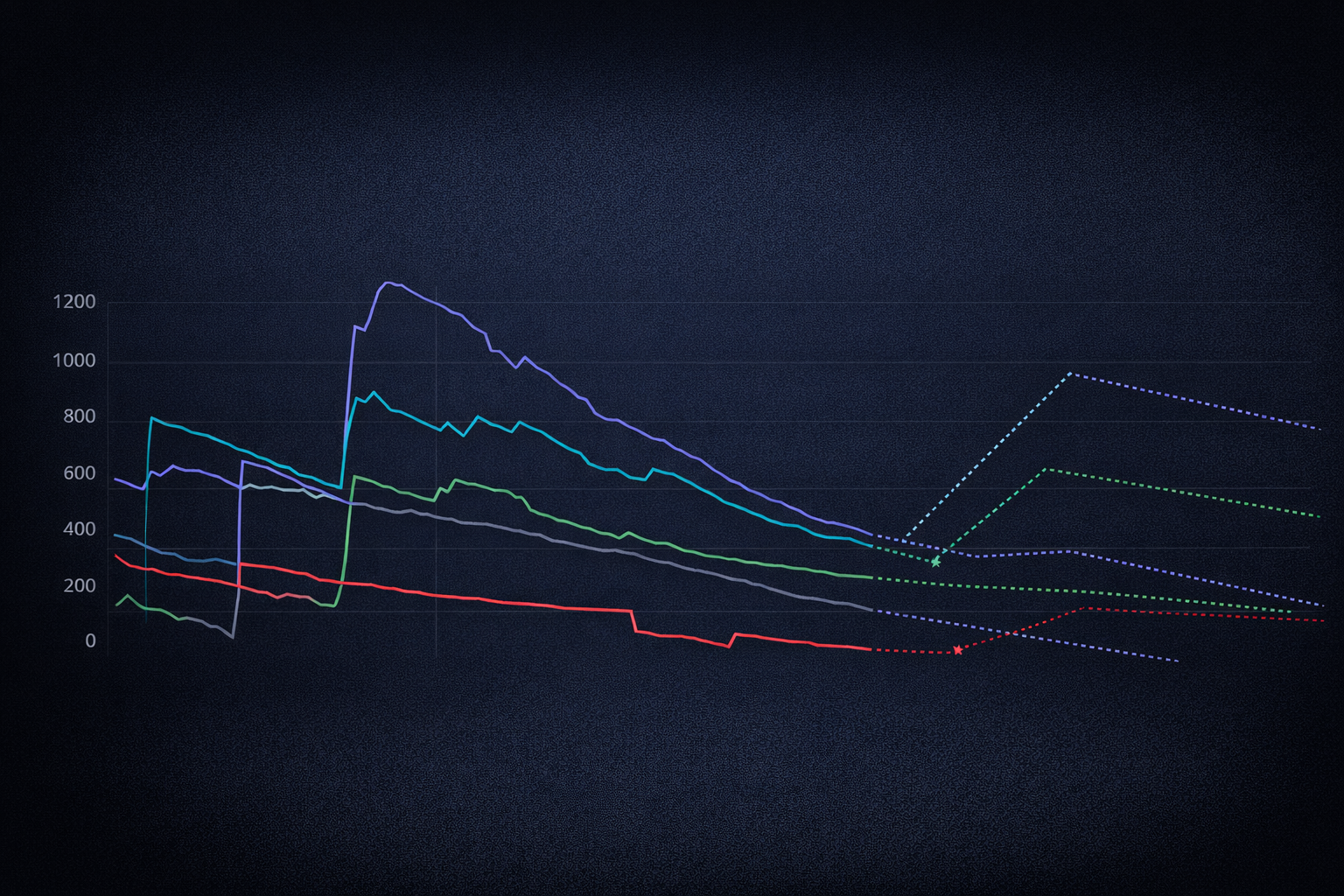
Inventory flow tracking and predictions. Real-time visibility for stock, demand, and replenishment.
Key Actions
Custom analytics dashboard
Aggregated Amazon, ads, inventory, and fulfillment into a single view. Replaced delayed, aggregated platform data with a real-time picture of the business. Decisions could be based on what was actually happening.
First-party metrics
Built contribution margin, cohort behavior, and SKU health visibility from first-party signal. Marketplaces are optimized for scale, not clarity. We built the insight ourselves so we could act on it.
AI-assisted workflows
Demand forecasting, copy iteration, and customer feedback synthesis. The real gains didn't come from flashy models. They came from compressing analysis time, surfacing patterns earlier, and letting humans decide faster.
Results
Reached roughly $120k ARR with a lean catalog. Improved margin predictability through SKU-level visibility. Reduced reaction time on inventory and pricing decisions. Enabled faster iteration on messaging and positioning.
More importantly, decisions moved from instinct to evidence.
Key Learnings
Marketplaces are optimized for scale, not clarity
Amazon provides a lot of data, but very little of it explains why things happen. If you want insight, you have to build it yourself.
AI is most valuable when it shortens feedback loops
The real gains did not come from flashy models. They came from compressing analysis time, surfacing patterns earlier, and letting humans decide faster.